Five Strange “Wars” From History
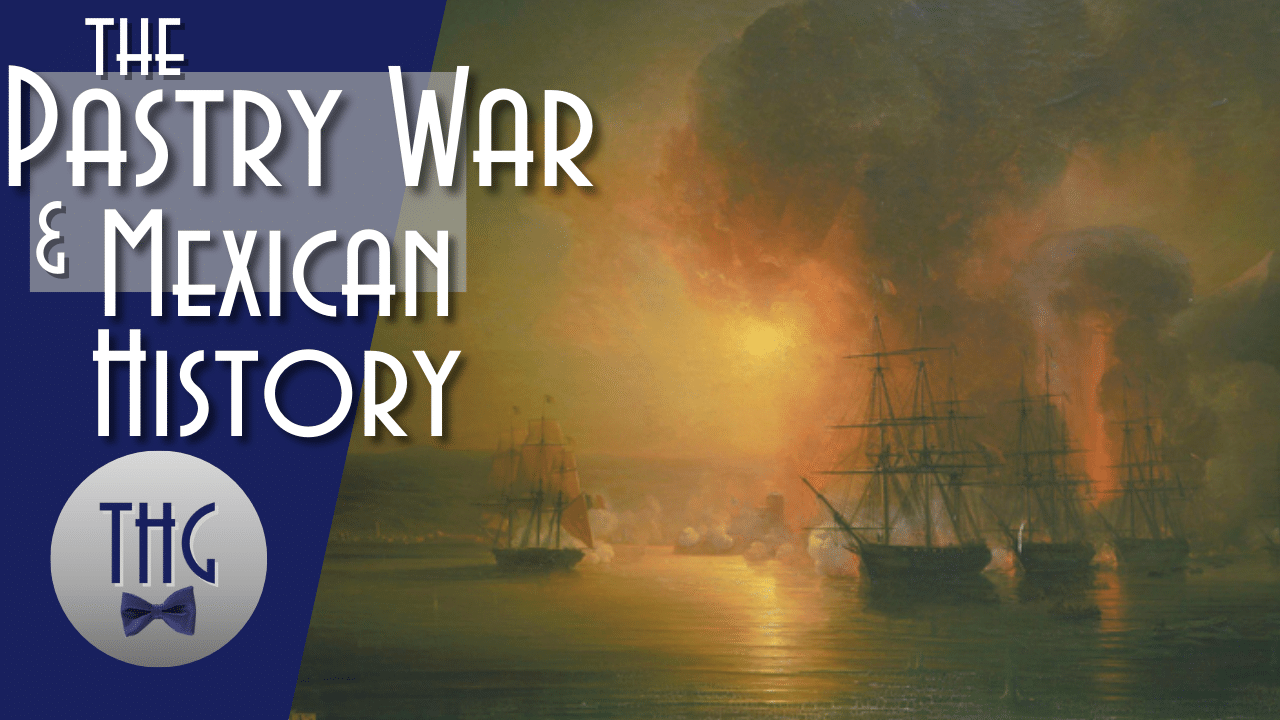
Instability in Mexico in the first decades of the 19th century led to many claims of damage from foreigners living in Mexico, whose property was damaged in endemic rioting and unrest. But none of those claims made a bigger splash than one French pastry chef, whose complaint sparked a war between France and Mexico that led to famous Mexican General Santa Ana losing a leg to cannonfire.
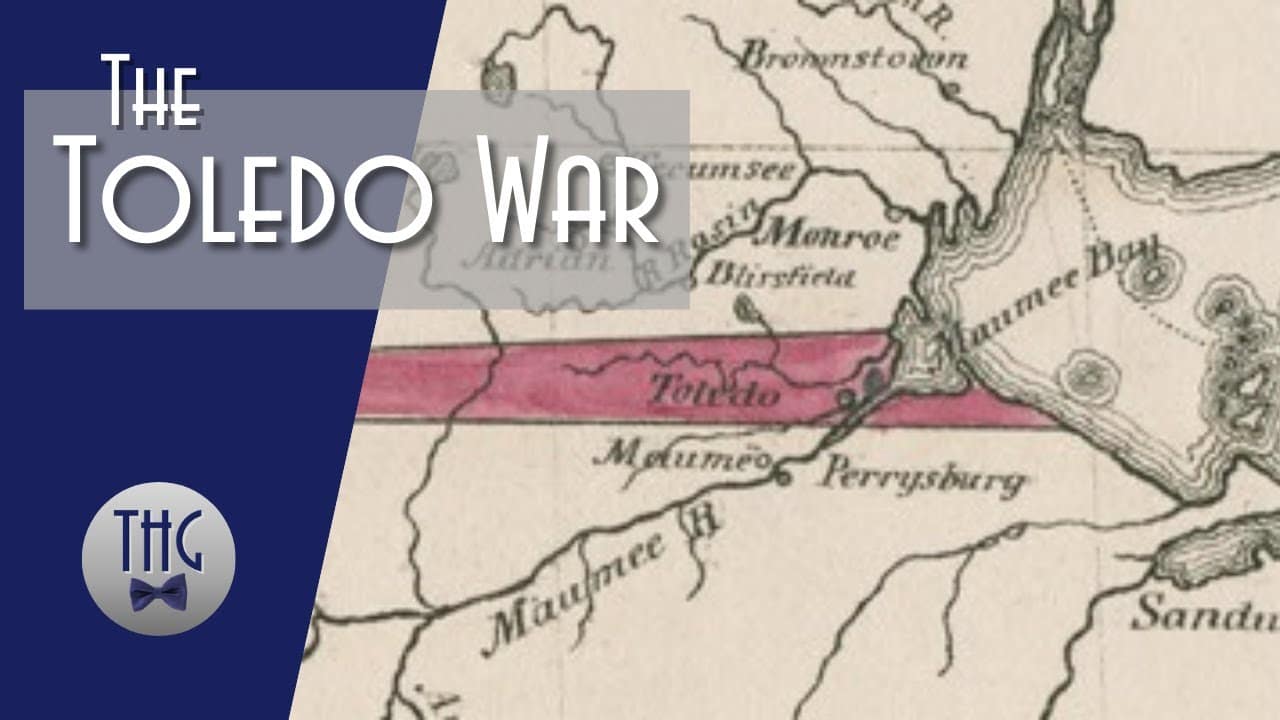
In general, states of the United States might have rivalries or opinions about other states, but they don’t turn to war to settle their differences. There are some exceptions, as in 1835, when the State of Ohio and Michigan Territory nearly resorted to bloodshed over a badly surveyed border. The prize for the winner? The city of Toldeo. The war also explains an oft-questioned quirk of American geography – why does Michigan have the Upper Peninsula?
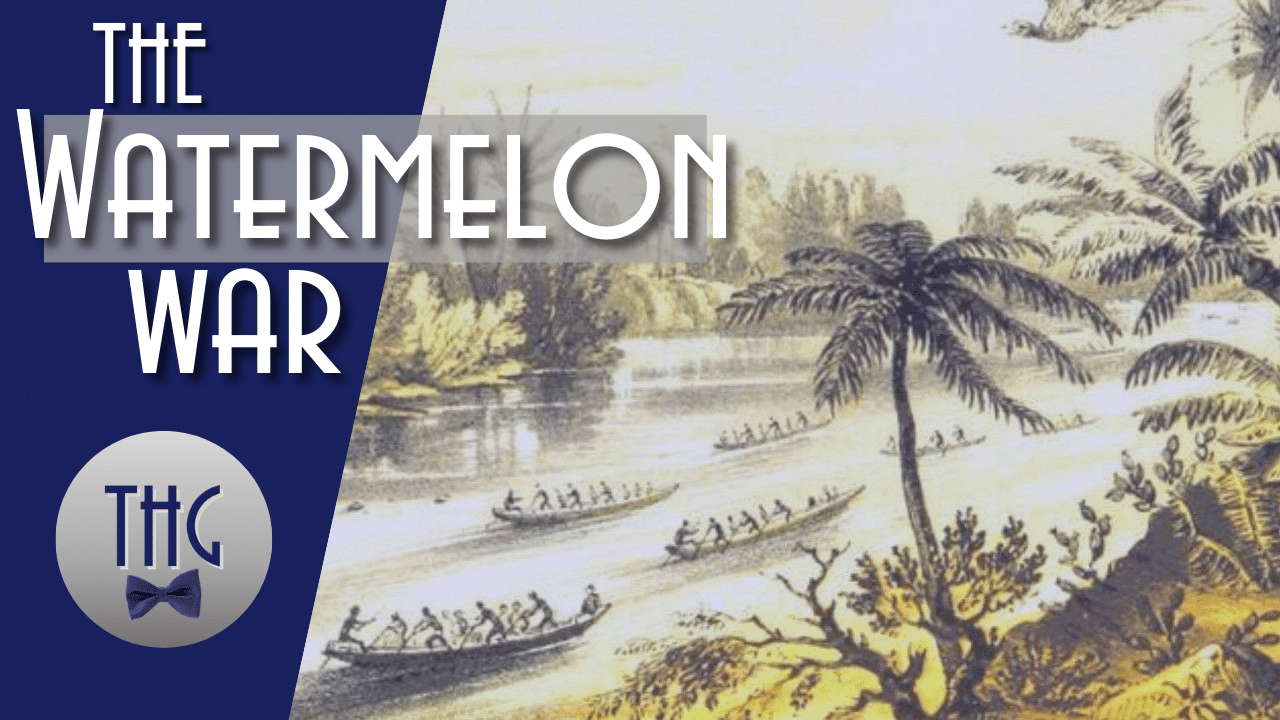
A few decades later, American interests in Panama came to a head when a drunk American refused to pay for a slice of Watermelon. The altercation escalated, and several people were killed. What might seem like an absurd event had serious consequences, as the United States flexed its muscles to protect its interests in moving people across the isthmus, even involving American troops. A product of Panama’s unique history on the central American isthmus, the event would strengthen US ties to a region where it would build the enormous canal decades later.
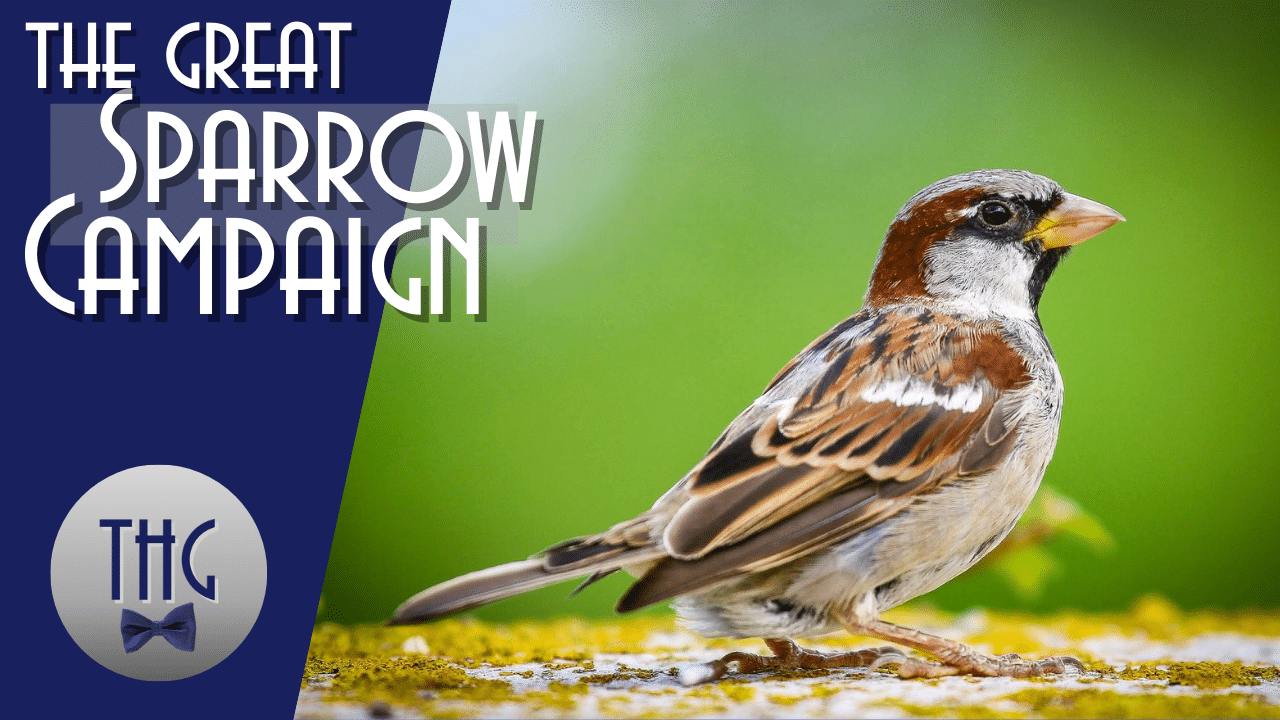
In 1958, China, during it’s “Great Leap Forward“, declared war on sparrows. Part of a campaign to destroy pests, the destruction of the sparrow started as a war meant to boost the economy, but would cause economic and ecological devastation. Despite a massive technological advantage, you could say that China lost the war.
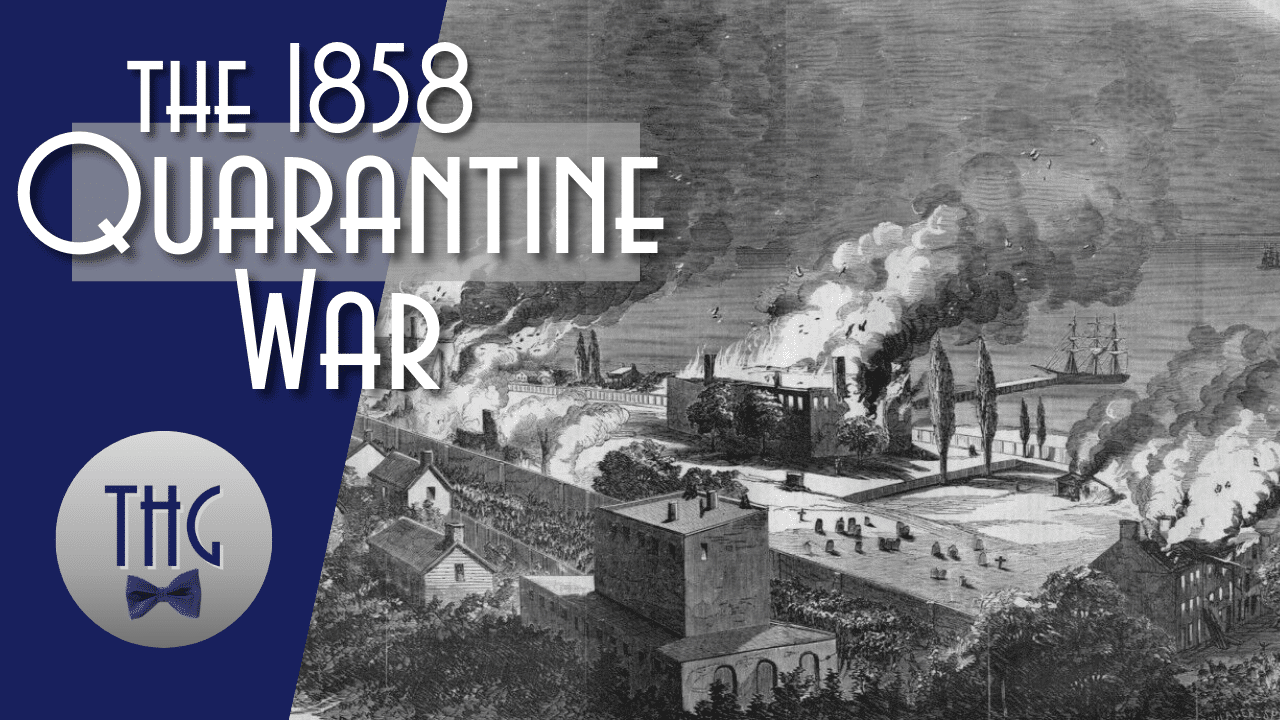
In 1800, New York City built a quarantine hospital on Long Island, meant to quarantine anyone sailing into the city who had any symptoms of illness – especially of Yellow Fever, which killed thousands in New York City in the last decade of the 18th century. But the inhabitants of Long Island didn’t like the idea or the Quarantine hospital, and in 1858 they decided to do something about it.
These strange battles and wars reflect some of the strangest sides of human history, but each illustrates how greater events influence smaller ones, and vice versa. While often entertaining, the odd tales also remind us that even the most ridiculous stories can teach us a lot – about history, about the world, and about humans. We’re sure to cover more strange stories – find more here on our website or on our youtube channel!
Featured Articles

Related Videos
Related Podcasts